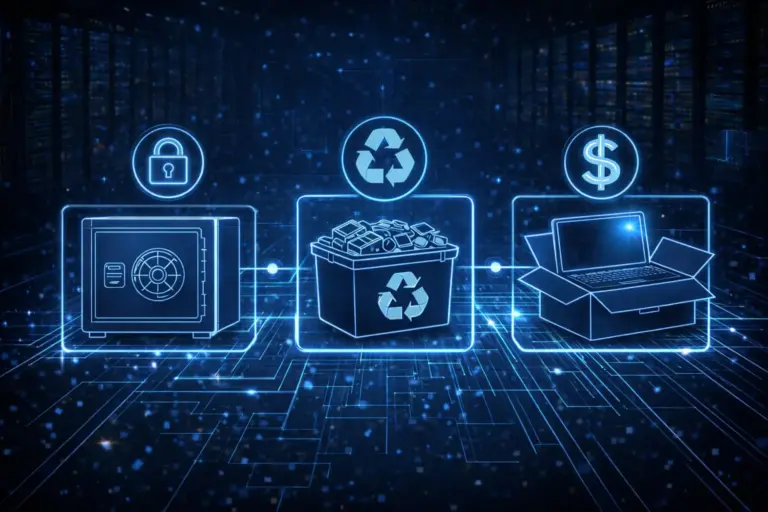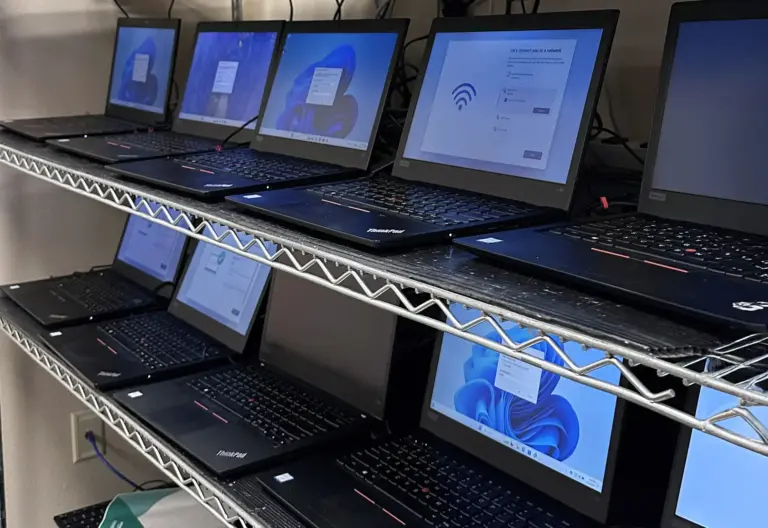

Enterprise cybersecurity programs are heavily focused on active environments—networks, endpoints, cloud workloads. However, a significant and often ignored risk lies in end-of-life IT assets. Decommissioned servers, storage systems, and endpoint devices frequently retain sensitive data and fall outside structured security governance. As infrastructure turnover accelerates, unmanaged asset retirement is becoming a material cybersecurity exposure. Addressing this gap requires treating end-of-life processes as an extension of core security strategy.
Why This Risk Is Growing
The volume of retired IT hardware is increasing due to shorter refresh cycles and rapid adoption of hybrid and multi-cloud architectures. IDC (2024) indicates that over 60% of enterprises operate hybrid environments, leading to frequent infrastructure changes and partial decommissioning.
Simultaneously, global data volumes continue to expand. With enterprise data increasingly distributed across physical and virtual systems, a large portion resides on storage devices that eventually exit production environments. Without proper handling, this data persists beyond the lifecycle of the asset.
IBM’s 2024 Cost of a Data Breach Report places the average breach cost at $4.45 million. A growing number of incidents are linked to compromised or improperly handled endpoints, including retired devices. This indicates that risk is not limited to active systems but extends to assets no longer in use.
Key Challenges in Securing End-of-Life Assets
Incomplete Asset Visibility
Organizations often lack centralized tracking of IT assets across data centers, branch offices, and remote environments. Devices may be decommissioned locally without being recorded in central systems.
Inconsistent Data Sanitization
Different teams and vendors may follow varying standards, resulting in gaps in execution. In some cases, wiping is performed without verification, or destruction is carried out without audit documentation.
Delayed Processing
Decommissioned assets are frequently stored for extended periods before disposal. During this time, they remain vulnerable to unauthorized access or loss.
Limited Integration with Security Functions
End-of-life processes are often managed by IT operations or facilities teams with limited involvement from cybersecurity leadership, leading to weak governance.
The Impact of Poor End-of-Life Management
Failure to secure retired assets introduces direct breach risks. Storage devices can retain customer data, financial records, intellectual property, and internal communications. If accessed, this data can lead to regulatory violations, legal exposure, and reputational damage.
Organizations may also fail compliance audits if they cannot demonstrate proper data sanitization and asset tracking. Regulatory frameworks increasingly require proof of execution, including logs, certificates, and chain-of-custody documentation.
A Structured Approach to Securing End-of-Life Assets
Centralized Asset Tracking
Maintain a unified inventory system that captures asset status from deployment through decommissioning, ensuring full lifecycle visibility.
Standardized Data Sanitization
Adopt globally recognized standards such as NIST 800-88 and ensure consistent implementation across all locations and vendors.
Secure Chain of Custody
Implement controls for asset movement, including authorization, tracking, and verification at each stage.
Time-Bound Processing
Define strict timelines for moving assets from decommissioning to final disposition to minimize exposure.
Audit and Documentation
Ensure that all activities are recorded and supported by verifiable documentation for compliance purposes.
The Role of Specialized Service Providers
Enterprises often lack the capability to manage these processes consistently at scale. Specialized providers offer integrated services covering secure data wiping, certified destruction, logistics, and documentation. Their standardized processes reduce variability, improve compliance, and strengthen overall security posture.
End-of-life IT assets represent a critical but under-addressed cybersecurity risk. As infrastructure environments become more dynamic, organizations must extend their security frameworks to include asset retirement. Integrating end-of-life management into cybersecurity strategy is essential to reducing risk and maintaining compliance.