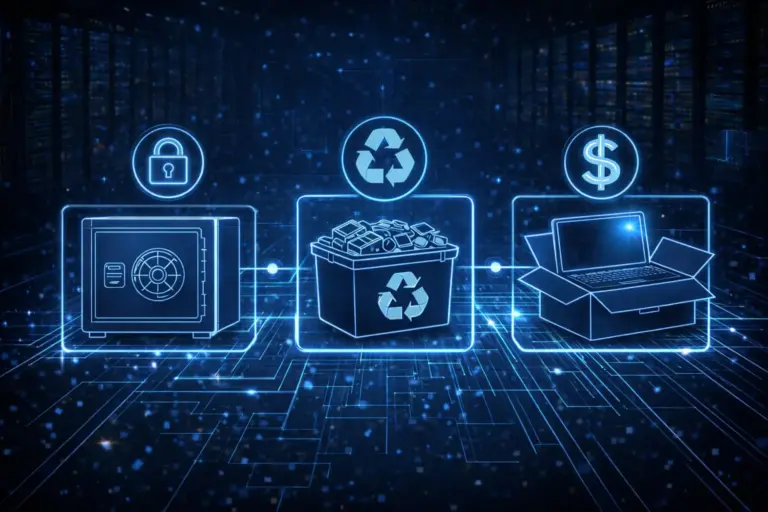

When IT assets are retired, the data they contain continues to pose a significant risk if not handled correctly. Storage devices often retain sensitive information, and improper disposal can lead to data breaches, compliance violations, and reputational damage. Organizations must choose between secure data wiping and physical destruction, each of which serves a different purpose depending on asset condition, data sensitivity, and regulatory requirements.
Why This Decision Matters Now
The global average cost of a data breach reached $4.45 million in 2024, according to IBM. A growing number of incidents are linked to improperly handled or retired hardware. As organizations manage increasingly distributed environments, the number of endpoints and storage devices has expanded significantly, increasing exposure.
At the same time, regulatory frameworks such as GDPR, ISO 27001, and India’s DPDP Act require organizations to demonstrate verifiable data sanitization practices. This makes the decision between wiping and destruction not just operational, but strategic.
Key Challenges Enterprises Face
Unclear Decision Criteria
Organizations often lack clear policies defining when to wipe and when to destroy, leading to inconsistent practices across teams and locations.
Lack of Auditability
Without proper documentation and certification, it becomes difficult to prove compliance during audits.
Vendor Inconsistency
Different vendors may follow different standards, leading to variability in execution and potential compliance gaps.
Security vs Cost Trade-offs
Physical destruction is perceived as more secure but eliminates asset value, while wiping preserves value but requires confidence in process integrity.
Skill and Process Gaps
Internal teams may not have the expertise or tools to execute secure data sanitization at scale.
Secure Data Wiping
Secure data wiping involves overwriting existing data using software-based methods aligned with standards such as NIST 800-88. When executed correctly, it ensures that data cannot be recovered.
Advantages
- Enables reuse or resale of assets
- Lower environmental impact compared to destruction
- More cost-effective
Limitations
- Requires strict validation and monitoring
- Not suitable for damaged or highly sensitive media in certain scenarios
Physical Destruction
Physical destruction involves methods such as shredding, crushing, or degaussing storage media to permanently destroy it.
Advantages
- High assurance of complete data elimination
- Suitable for highly sensitive or regulated environments
Limitations
- Eliminates all residual asset value
- Generates e-waste that must be managed responsibly
- Prevents reuse of hardware
When to Use What: A Practical Framework
Use Secure Data Wiping When
- Assets are functional and suitable for reuse or resale
- Data sensitivity can be managed under regulatory standards
- Recovery of asset value is important
- Audit logs and certification are available
Use Physical Destruction When
- Storage media is damaged or unreliable
- Data sensitivity is extremely high
- Regulations mandate destruction
- Risk tolerance is minimal
The Role of Integrated Data Destruction Services
Execution is critical to ensuring effectiveness. Integrated service providers ensure that data wiping is performed according to global standards and that physical destruction is certified. They maintain chain-of-custody records, provide audit documentation, and ensure secure logistics from collection to final processing.
This reduces risk, improves consistency, and ensures that organizations can demonstrate compliance during audits.
Example Scenario
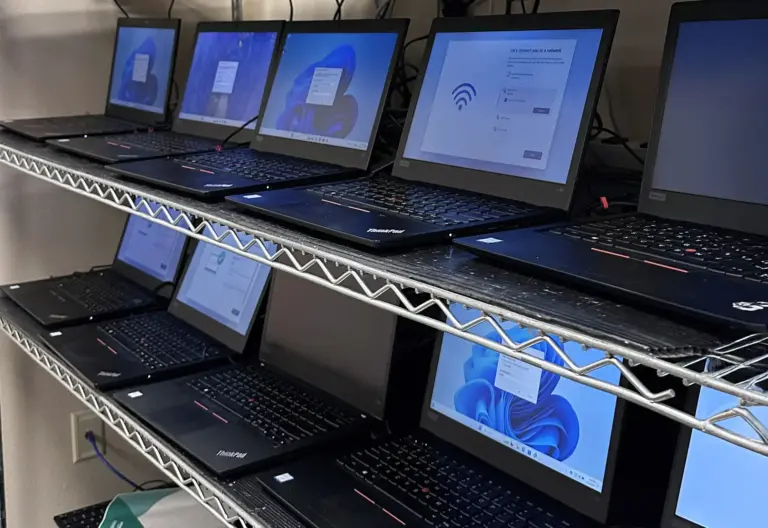
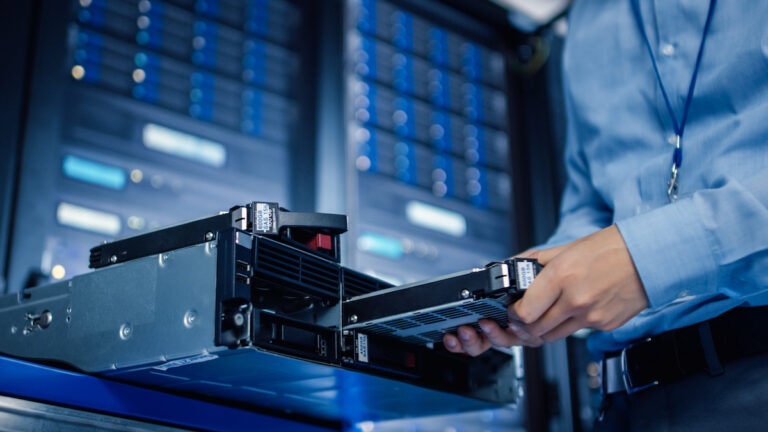
An enterprise retiring devices across multiple locations implemented a hybrid approach. Functional laptops and servers underwent secure data wiping, while failed drives were physically destroyed. Centralized tracking ensured consistency across locations, and full documentation supported compliance requirements. The organization was able to protect sensitive data while retaining value from reusable assets.
The choice between wiping and destruction depends on context, not preference. Secure data wiping, when implemented correctly, enables both protection and value recovery, while physical destruction provides assurance where risk thresholds require it. A structured, auditable approach ensures that organizations can balance security, compliance, and financial outcomes effectively.
At Ampletech Refresh, we approach this as an integrated IT asset disposition problem rather than isolated tasks. Our services combine standards-aligned secure data wiping, certified physical destruction, controlled logistics, and audit-ready documentation within a single execution framework. This ensures that data security, compliance, and asset handling are managed consistently, without reliance on fragmented vendors, while maintaining full traceability across the asset lifecycle.