Why Companies Are Rethinking New Network Hardware
Modern businesses rely heavily on network infrastructure to support cloud applications, remote work, cybersecurity monitoring, and data transfer. However, the cost of purchasing new enterprise networking devices such as switches, routers, and firewalls continues to rise. This is where Refurbished Networking Equipment is gaining significant attention. Industry studies suggest that refurbished enterprise hardware can cost 40–70% less than new equipment, allowing organizations to expand infrastructure without dramatically increasing capital expenditure.
Many enterprises refresh networking infrastructure every three to five years, even though much of the hardware remains fully functional. By incorporating Refurbished Networking Equipment into their procurement strategy, organizations can reduce upfront costs while maintaining enterprise-grade performance. This approach is increasingly common among startups, managed service providers, educational institutions, and even large enterprises seeking better control over IT spending.
Understanding What Refurbished Networking Equipment Means
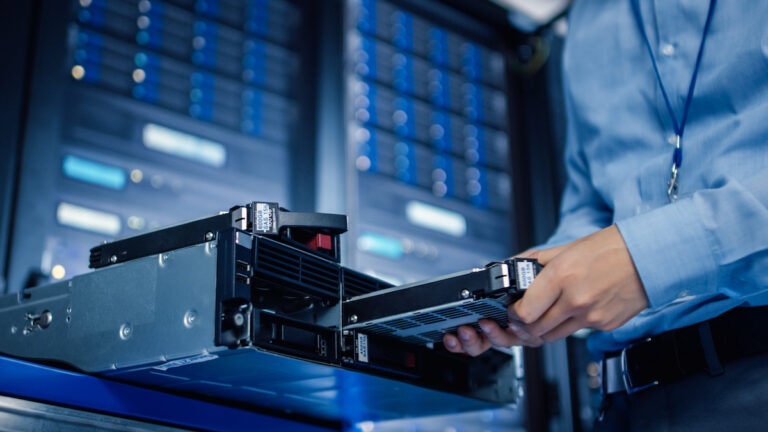
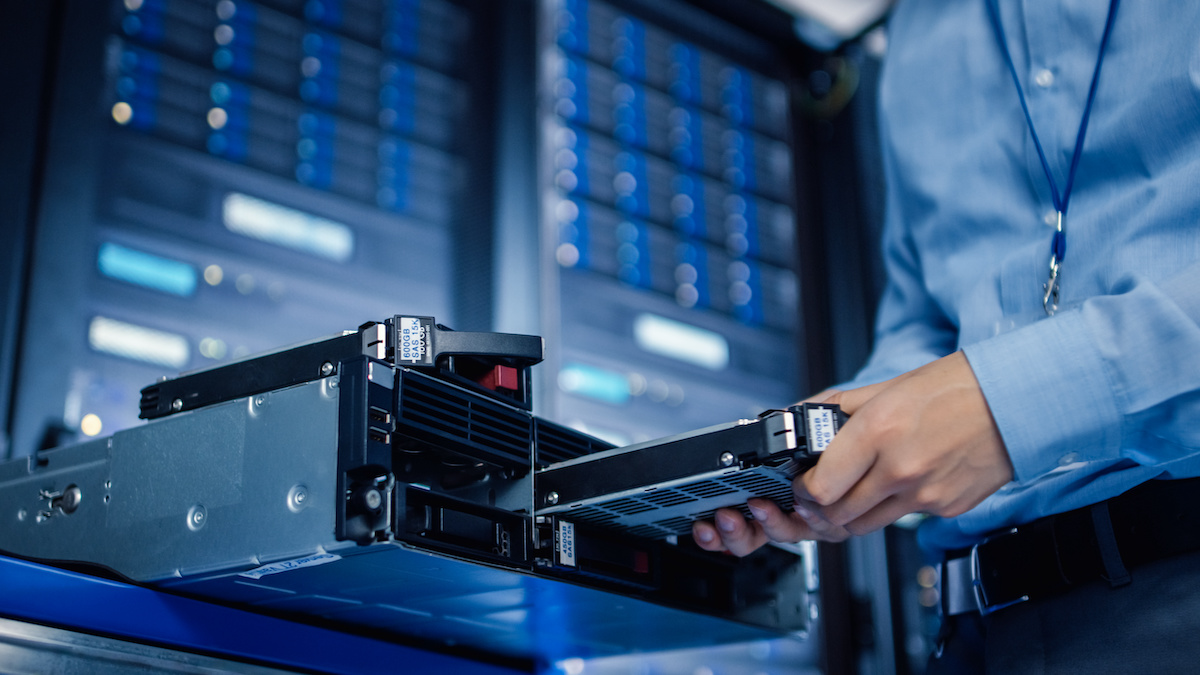
There is often confusion about the difference between used hardware and properly refurbished equipment. Refurbished Networking Equipment is not simply second-hand hardware pulled from a data center and resold. Instead, it undergoes a structured process that includes inspection, testing, repair, and quality assurance before it re-enters the market.
During refurbishment, networking devices are thoroughly evaluated to ensure they meet performance and reliability standards. Faulty components are replaced, firmware is updated, and the equipment is tested under operational conditions. The result is enterprise-grade Refurbished Networking Equipment that performs reliably while offering substantial cost advantages.
Many organizations find that refurbished equipment performs just as effectively as new hardware for common workloads such as switching, routing, and network monitoring.
Where the Cost Savings Come From
One of the primary reasons organizations adopt Refurbished Networking Equipment is the significant reduction in infrastructure costs. Network hardware often represents a large portion of IT budgets, especially during data center expansions or office network upgrades.
The savings come from several factors:
-
Lower purchase price
Refurbished switches, routers, and firewalls typically cost 40–70% less than new models. -
Reduced capital expenditure during infrastructure upgrades
Companies can scale networks or expand branch offices without large upfront investments. -
Availability of older but compatible models
Many enterprises need hardware that integrates with existing infrastructure. Refurbished equipment allows organizations to purchase discontinued models that still fit their environment. -
Shorter procurement timelines
Refurbished inventory is often available immediately, avoiding delays associated with manufacturing and supply chains.
These advantages allow organizations to allocate their IT budgets more efficiently while maintaining reliable network performance.
Reliability and Performance Considerations
One of the biggest concerns organizations have about Refurbished Networking Equipment is reliability. Many IT teams worry that previously used hardware may fail sooner or perform inconsistently. In reality, properly refurbished enterprise networking hardware often performs reliably for years.
Enterprise networking devices are designed for long operational lifespans. Many switches and routers are built to operate continuously in demanding environments such as data centers and telecom networks. Even after several years of use, these devices may still have significant operational life remaining.
Certified refurbishers test each unit to ensure performance standards are met before resale. Components such as fans, power supplies, and ports are verified or replaced when necessary. As a result, Refurbished Networking Equipment often delivers dependable performance comparable to new equipment, especially when sourced from reputable suppliers.
Environmental Benefits of Refurbished Networking Hardware
Cost savings are not the only advantage of adopting Refurbished Networking Equipment. Sustainability is becoming an important factor in technology procurement decisions. Electronic waste continues to grow globally, with estimates indicating that over 60 million metric tons of e-waste are generated each year worldwide.
Extending the life of networking equipment through refurbishment reduces the demand for new manufacturing and helps prevent unnecessary electronic waste. Manufacturing new networking hardware requires raw materials, energy consumption, and complex global supply chains.
By purchasing Refurbished Networking Equipment, organizations contribute to a circular technology economy where existing hardware is reused instead of discarded. This approach supports corporate sustainability goals while maintaining operational efficiency.
When Refurbished Networking Equipment Makes the Most Sense
Many organizations can benefit from adopting Refurbished Networking Equipment as part of their infrastructure strategy. It is particularly useful in environments where performance requirements are stable and the latest hardware features are not essential.
Refurbished networking hardware is commonly used in scenarios such as secondary data centers, branch office deployments, test environments, and network expansions. It also allows companies to maintain compatibility with existing infrastructure without investing in entirely new systems.
For businesses seeking to optimize IT budgets without compromising network performance, refurbished hardware provides a practical solution. When sourced from trusted providers that follow rigorous testing and refurbishment standards, Refurbished Networking Equipment can deliver reliable performance, significant cost savings, and measurable environmental benefits.
Adopting Refurbished Networking Equipment is not just a budget decision; it is a strategic approach that allows organizations to build scalable, cost-efficient, and sustainable network infrastructure while maintaining the reliability required for modern business operations.