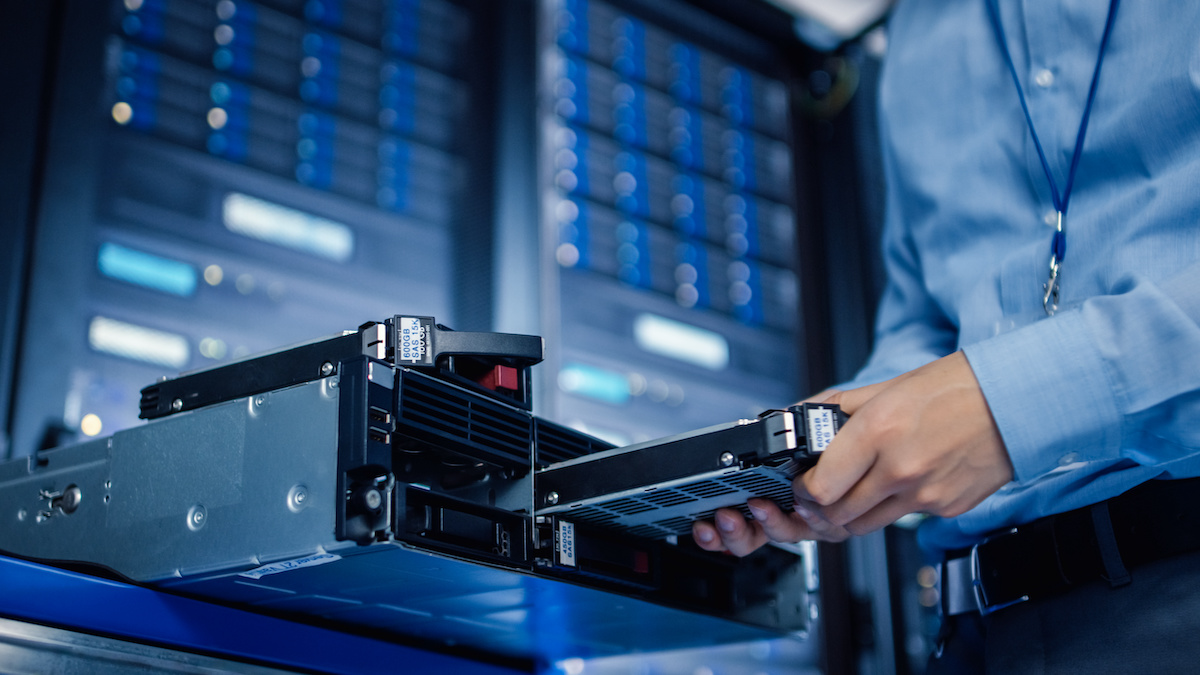
Why Businesses Need IT Asset Disposition
Organizations upgrade servers frequently to keep up with growing workloads, security requirements, and performance expectations. As a result, thousands of servers are retired every year, creating a major challenge around IT Asset Disposition. According to the Global E-Waste Monitor, the world generated over 62 million metric tons of electronic waste in 2022, and data center hardware forms a significant portion of that waste. Without a structured IT Asset Disposition process, retired servers may expose sensitive corporate data, create compliance risks, or contribute to environmental damage.
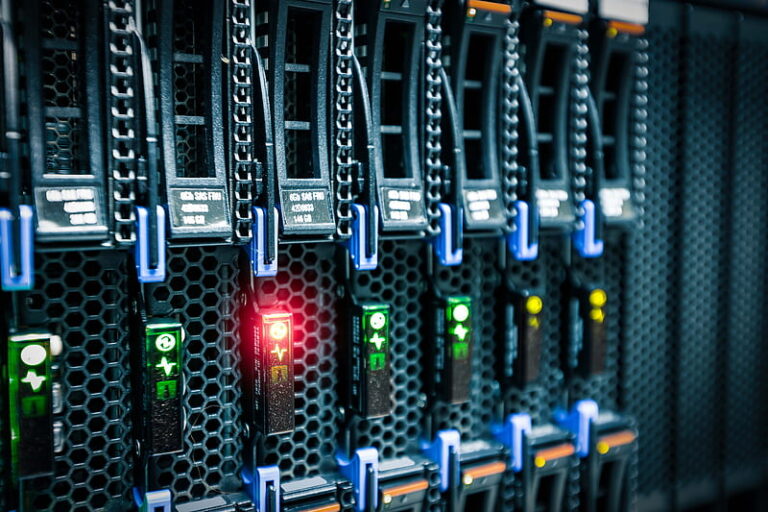
For enterprises, servers contain sensitive information such as databases, application logs, intellectual property, and user credentials. Even when a server is decommissioned, its storage drives may still hold recoverable data. Studies have shown that more than 40% of used enterprise drives sold on secondary markets still contain recoverable data, highlighting the importance of proper IT Asset Disposition practices that ensure data security and responsible hardware management.
The Lifecycle of a Retired Server
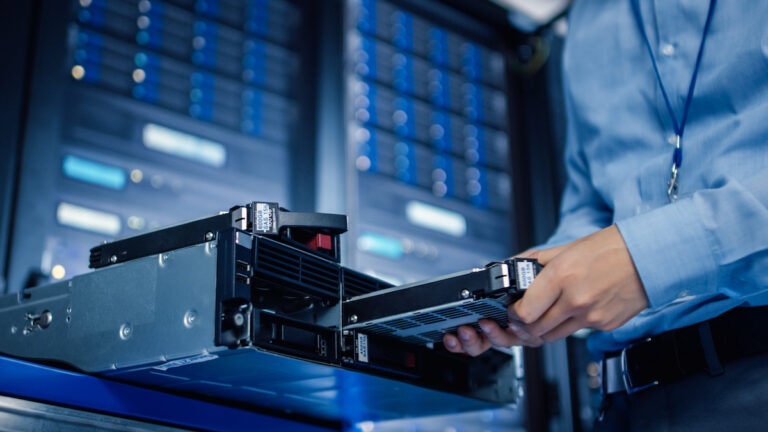
When a server reaches the end of its operational life within an organization, it does not simply disappear from the IT environment. Instead, it enters a carefully managed lifecycle designed to protect data and recover value from the hardware.
The lifecycle typically includes asset identification, secure data destruction, refurbishment or resale, and environmentally responsible recycling. Each stage ensures that the hardware is handled properly while maintaining compliance with security standards and environmental regulations.
A structured IT Asset Disposition program helps organizations track every component removed from production infrastructure. Asset tracking ensures that every server, drive, and networking component is accounted for, reducing the risk of equipment being misplaced or improperly disposed of.
Key Steps in a Secure IT Asset Disposition Process
A well-managed IT Asset Disposition process typically follows several essential steps. These steps ensure both data security and maximum value recovery from retired hardware.
-
Asset Inventory and Tracking
The first step is identifying all equipment scheduled for decommissioning. Each server is logged with details such as serial numbers, configuration, and storage components. Proper tracking ensures full visibility across the entire disposition process. -
Data Sanitization or Destruction
Sensitive data stored on drives must be securely erased or destroyed. Organizations typically use certified data wiping software or physical destruction methods that meet recognized security standards. -
Testing and Refurbishment
If the hardware is still functional, it may be refurbished and prepared for resale or redeployment. Refurbishment involves component testing, replacement of faulty parts, and validation of system performance. -
Resale or Value Recovery
Many enterprise servers retain significant market value. Reselling refurbished equipment can help companies recover part of their initial investment. -
Responsible Recycling
Hardware that cannot be reused is dismantled and recycled to recover valuable materials such as copper, aluminum, and rare metals.
Following these steps ensures that IT Asset Disposition is handled systematically, reducing both security and environmental risks.
Security Risks of Improper Server Disposal
Improper server disposal can expose organizations to serious security and compliance risks. Servers often store confidential data related to customers, financial transactions, internal communications, and proprietary applications. If such data is recovered by unauthorized parties, it can lead to data breaches, financial losses, and reputational damage.
Several well-documented cases have shown how improperly disposed storage devices led to sensitive data being recovered by third parties. Regulatory frameworks such as GDPR, HIPAA, and various data protection laws require organizations to securely destroy or sanitize data before disposing of hardware. Failure to follow proper IT Asset Disposition procedures can result in regulatory penalties and legal liabilities.
Beyond compliance, data exposure can also damage customer trust. Organizations increasingly rely on certified IT Asset Disposition providers to guarantee that all storage media is processed using approved data destruction standards.
Environmental Impact and Sustainability
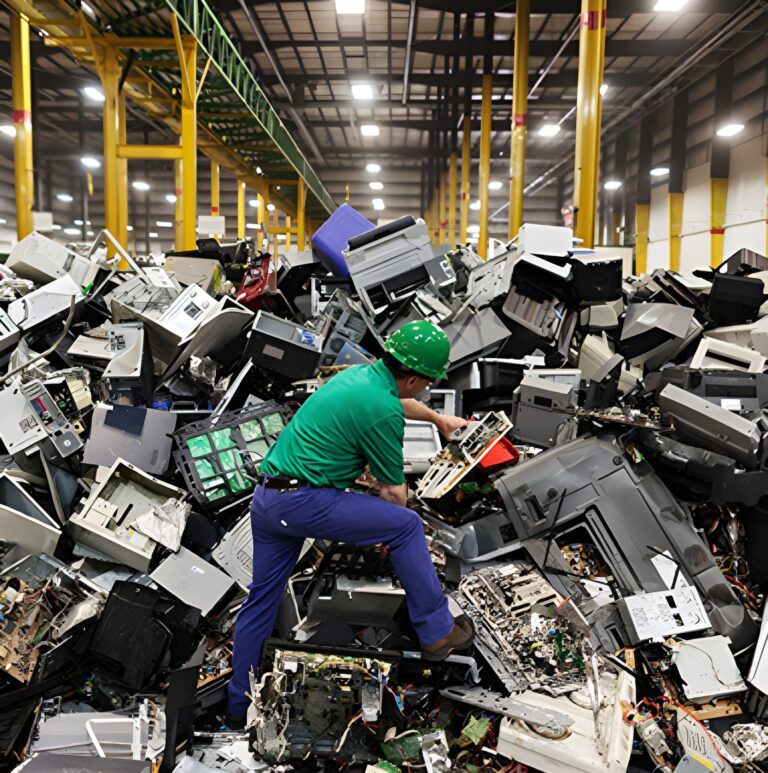
Electronic waste is one of the fastest-growing waste streams in the world. Servers contain metals, plastics, and components that can harm the environment if discarded improperly. Responsible IT Asset Disposition plays an important role in reducing the environmental impact of outdated hardware.
Refurbishment and reuse extend the lifespan of servers and networking equipment. Many refurbished servers continue to operate efficiently in secondary markets such as startups, research labs, and small enterprises. This reduces the demand for manufacturing new hardware, which in turn lowers energy consumption and raw material extraction.
Recycling programs also recover valuable materials from retired servers. These materials can be reused in manufacturing new electronic components, supporting a circular technology economy. By adopting structured IT Asset Disposition programs, organizations contribute to both sustainability goals and corporate environmental responsibility.
How Businesses Can Build an Effective ITAD Strategy
An effective server retirement strategy requires coordination between IT teams, compliance officers, and asset management specialists. Organizations should begin by developing clear policies for equipment lifecycle management. These policies should define when hardware should be retired, how it should be tracked, and which standards should be followed for data destruction.
Working with specialized providers can simplify the process. Experienced vendors offer secure logistics, certified data destruction, refurbishment services, and environmental recycling programs. They also provide documentation and audit trails that prove compliance with industry regulations.
Technology refresh cycles are becoming shorter as businesses adopt cloud infrastructure, AI workloads, and high-performance computing environments. As a result, managing retired equipment is becoming a strategic part of IT operations. Implementing a structured IT Asset Disposition strategy helps organizations protect sensitive information, recover value from old hardware, and reduce environmental impact.
Servers may leave the data center, but the responsibility for handling them securely does not end there. A thoughtful IT Asset Disposition approach ensures that every piece of retired infrastructure is handled responsibly, securely, and sustainably while maintaining the trust of customers, partners, and regulators.