Why Data Destruction Is a Critical Security Responsibility
Organizations generate and store enormous volumes of data across servers, laptops, storage systems, and backup devices. When these devices reach the end of their operational life, the data stored on them does not disappear automatically. This makes Secure Data Destruction a critical component of enterprise security and compliance strategies. According to industry studies, over 40% of used storage devices sold in secondary markets still contain recoverable data, exposing organizations to potential breaches and compliance violations.
Many businesses focus heavily on protecting active systems with firewalls, encryption, and access controls but overlook the risks associated with retired equipment. Secure Data Destruction ensures that sensitive information stored on decommissioned hardware cannot be recovered or misused. Without proper destruction processes, confidential data such as customer records, financial information, intellectual property, and internal communications may remain accessible even after the device has been removed from service.
Where Sensitive Data Is Often Overlooked
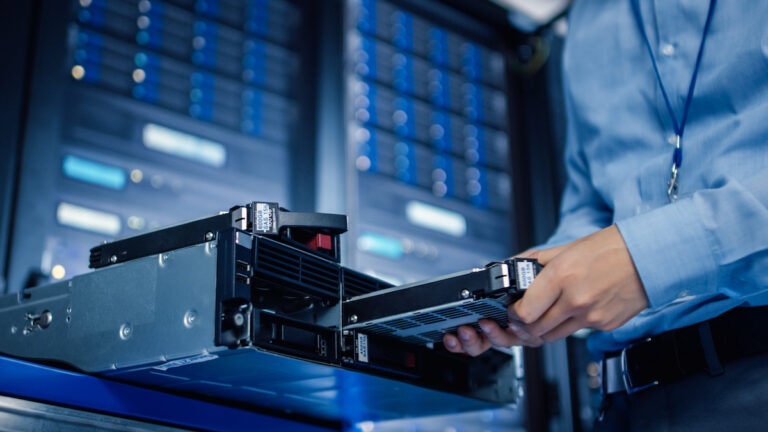
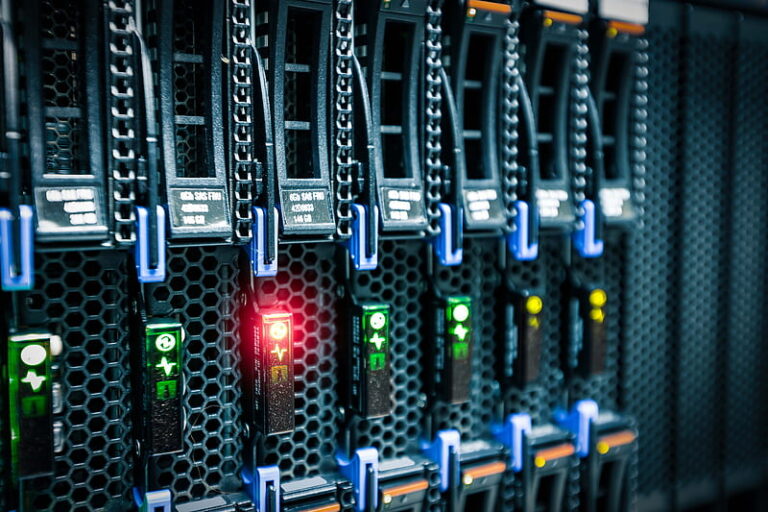
Data can reside in many places across an organization’s technology environment, and it often persists long after devices are retired. Servers, laptops, solid-state drives, backup tapes, and networking equipment frequently store sensitive data that must be handled carefully during decommissioning.
Even devices that appear to have been wiped may still contain recoverable information if the process was incomplete or improperly executed. Standard deletion methods or simple formatting procedures do not permanently erase data. As a result, organizations must implement Secure Data Destruction processes that ensure storage media cannot be reconstructed or analyzed to recover sensitive information.
Effective Secure Data Destruction policies recognize that every device containing storage components presents a potential security risk if it is not properly sanitized before disposal or resale.
Methods Used for Secure Data Destruction
Organizations use several recognized techniques to ensure complete Secure Data Destruction when retiring IT equipment. The appropriate method often depends on the type of storage device, regulatory requirements, and organizational security policies.
Common data destruction methods include:
Data wiping or overwriting
Specialized software overwrites existing data multiple times with random patterns to make recovery extremely difficult.Degaussing
Strong magnetic fields are used to disrupt the magnetic structure of traditional hard drives, rendering stored data unreadable.Physical destruction
Drives are shredded, crushed, or drilled to permanently destroy the storage media.Cryptographic erasure
Encryption keys are destroyed, making the underlying data inaccessible even if the storage device remains intact.
Each of these techniques contributes to effective Secure Data Destruction, ensuring that sensitive information cannot be reconstructed or extracted once equipment leaves the organization’s control.
Compliance and Regulatory Expectations
Data protection regulations require organizations to handle sensitive information responsibly throughout its lifecycle, including during hardware disposal. Improper disposal of storage devices containing confidential information has led to numerous data breaches and regulatory investigations.
Many regulatory frameworks require organizations to implement Secure Data Destruction procedures as part of their broader data protection programs. These requirements emphasize accountability, documentation, and verifiable destruction methods.
Organizations must also maintain records demonstrating that retired devices were processed correctly. Documentation such as asset tracking reports, destruction certificates, and audit logs helps prove that Secure Data Destruction procedures were followed according to established standards.
Failure to properly destroy data can result in financial penalties, legal liabilities, and damage to organizational reputation. For this reason, many IT leaders treat secure destruction processes as a key component of risk management and compliance planning.
Building an Effective Data Destruction Policy
A structured policy ensures that Secure Data Destruction is applied consistently across the organization. IT teams must define clear procedures for identifying devices that store sensitive data and determine the appropriate destruction method based on device type and security requirements.
Several key elements are typically included in effective data destruction policies:
Maintaining an accurate inventory of all storage devices
Defining approved data sanitization standards for different device types
Establishing chain-of-custody procedures during device transportation
Documenting destruction activities for audit and compliance purposes
By implementing these measures, organizations reduce the likelihood that sensitive information remains accessible after equipment is retired.
A strong Secure Data Destruction policy also ensures that employees understand the importance of following proper disposal procedures rather than discarding or reselling equipment without verification.
Integrating Data Destruction into the IT Asset Lifecycle
Technology refresh cycles are becoming shorter as organizations adopt new applications, cloud services, and data processing platforms. Each refresh cycle introduces additional hardware that must be retired responsibly. Integrating Secure Data Destruction into the broader IT asset lifecycle helps ensure that devices are handled safely from deployment through final disposal.
When organizations plan infrastructure upgrades or device replacements, secure destruction processes should already be defined as part of the decommissioning phase. This proactive approach prevents retired equipment from accumulating in storage areas where devices could be misplaced or mishandled.
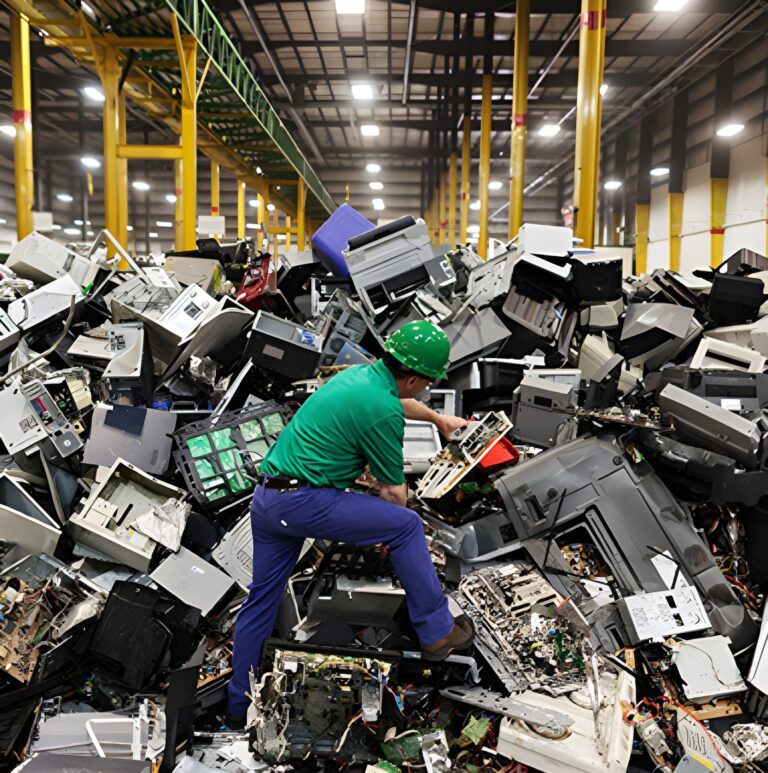
Effective Secure Data Destruction strategies also include working with certified providers that specialize in data sanitization and responsible electronics recycling. These providers often supply detailed documentation that verifies destruction activities and supports compliance reporting.
Protecting sensitive data does not end when a device is removed from the network. By implementing comprehensive Secure Data Destruction practices, IT leaders ensure that confidential information remains protected even after hardware leaves operational use. This approach strengthens security posture, supports regulatory compliance, and reinforces trust with customers, partners, and stakeholders.