
Why IT Asset Lifecycle Management Matters for Modern Organizations
Technology infrastructure evolves quickly, and organizations frequently add, upgrade, and retire equipment to maintain performance and security. This constant change makes IT Asset Lifecycle Management essential for tracking, maintaining, and responsibly retiring IT hardware throughout its operational life. According to industry research from Gartner, organizations lose up to 30% of the value of their IT assets due to poor asset tracking and lifecycle planning, leading to unnecessary purchases, inefficient resource usage, and increased operational costs.
Effective IT Asset Lifecycle Management ensures that every device, from servers and storage systems to networking equipment and laptops, is managed systematically from procurement through final disposal. Businesses that implement structured lifecycle processes not only improve asset utilization but also reduce security risks, maintain compliance with data protection regulations, and extend the value of their technology investments.
The Stages of the IT Asset Lifecycle
Every piece of technology within an organization passes through several stages during its operational life. IT Asset Lifecycle Management provides a framework that tracks assets through each stage, ensuring they are used efficiently and disposed of responsibly.
The lifecycle begins with procurement and deployment, continues through active maintenance and optimization, and ends with retirement and responsible disposal. Managing these stages properly helps organizations control costs, avoid unnecessary asset duplication, and maintain accurate visibility into their IT infrastructure.
Without structured IT Asset Lifecycle Management, companies often lose track of equipment, fail to retire outdated hardware on time, or expose themselves to security risks from unmanaged devices.
Procurement and Asset Onboarding
The first stage of IT Asset Lifecycle Management begins with procurement. Organizations must evaluate their infrastructure needs, performance requirements, and long-term scalability before acquiring hardware or software. Strategic procurement ensures that purchased assets align with business goals and technical requirements.
Once equipment is acquired, asset onboarding begins. Each asset is registered in an asset management system with details such as serial numbers, configuration specifications, purchase date, warranty coverage, and assigned users or departments.
Proper onboarding creates the foundation for effective IT Asset Lifecycle Management by providing accurate records that allow IT teams to monitor hardware usage, schedule maintenance, and track the asset throughout its lifecycle.
Asset Monitoring and Maintenance
After deployment, assets enter the longest stage of IT Asset Lifecycle Management, which involves monitoring, maintenance, and optimization. During this phase, IT teams ensure that devices operate efficiently and securely while meeting business needs.
Regular monitoring helps identify performance issues, hardware degradation, or software vulnerabilities before they affect operations. Preventive maintenance extends the lifespan of equipment and reduces the likelihood of unexpected downtime.
Organizations commonly perform several key activities during this stage:
-
Performance monitoring to ensure systems operate within optimal thresholds
-
Software updates and patch management to maintain security and stability
-
Hardware maintenance and upgrades to extend the asset’s operational life
-
Usage tracking to identify underutilized or redundant equipment
These practices allow organizations to maximize the value of their technology investments while maintaining operational reliability.
Planning for Asset Retirement
Eventually, every device reaches the end of its useful life. Hardware may become obsolete, incompatible with new software, or too expensive to maintain. At this stage, organizations must transition assets out of production as part of their IT Asset Lifecycle Management strategy.
Retirement planning ensures that outdated equipment is removed from the network without creating operational disruptions. IT teams must verify that systems are properly decommissioned, access credentials are removed, and data is securely handled.
One of the biggest challenges during this stage is protecting sensitive information stored on hardware components. Servers, storage devices, and workstations often contain confidential business data, making secure handling essential before equipment leaves organizational control.
This is where IT Asset Lifecycle Management overlaps with secure IT asset disposition processes to ensure proper handling of retired hardware.
Responsible Disposal and Value Recovery
The final stage of IT Asset Lifecycle Management involves the secure and environmentally responsible disposal of retired equipment. Instead of discarding outdated devices, organizations can recover value through refurbishment, resale, or certified recycling programs.
Responsible disposal typically includes the following steps:
-
Secure data destruction to ensure that sensitive information cannot be recovered
-
Hardware evaluation to determine whether assets can be refurbished or reused
-
Resale or redeployment of functional equipment in secondary markets
-
Certified recycling for hardware that cannot be reused
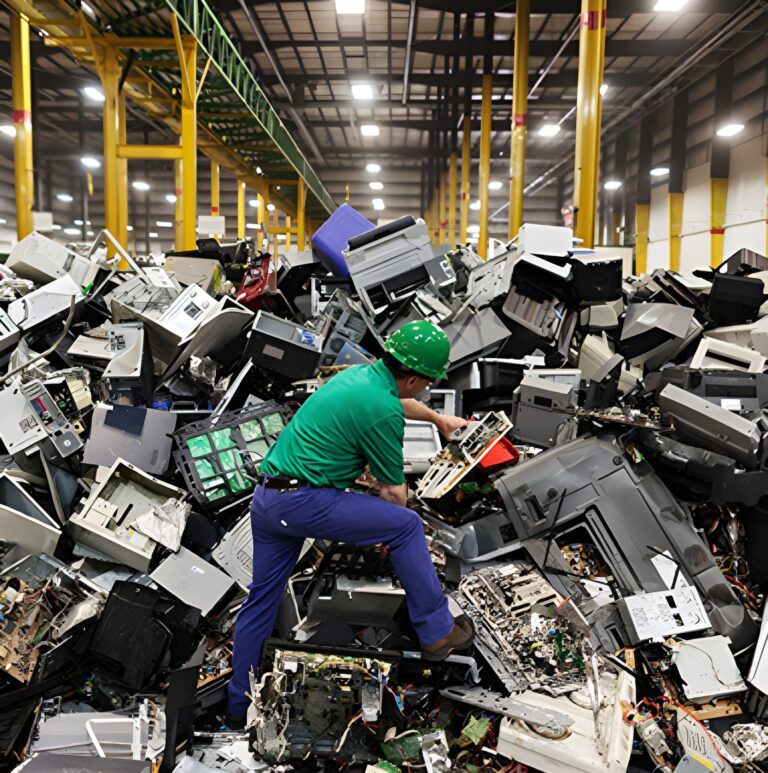
This stage is critical not only for data protection but also for environmental sustainability. Electronic waste is one of the fastest-growing waste streams globally, with the United Nations estimating over 60 million metric tons of e-waste generated each year. Effective IT Asset Lifecycle Management helps organizations reduce their contribution to this growing environmental problem by extending hardware lifespans and ensuring responsible recycling.
Building a Strong IT Asset Lifecycle Strategy
Organizations that implement structured IT Asset Lifecycle Management gain better visibility into their infrastructure and improve long-term technology planning. Accurate asset records allow IT teams to forecast hardware refresh cycles, control procurement costs, and maintain security compliance.
A strong lifecycle strategy typically includes centralized asset tracking systems, defined refresh policies, and partnerships with certified providers that handle refurbishment and responsible disposal. These practices ensure that technology assets are managed efficiently from acquisition to retirement.
Technology investments represent a significant portion of operational spending for most organizations. By adopting comprehensive IT Asset Lifecycle Management, businesses can maximize the value of their assets, protect sensitive data, and maintain sustainable technology practices from procurement through responsible disposal.