
Why Data Protection Compliance Extends Beyond Active Systems
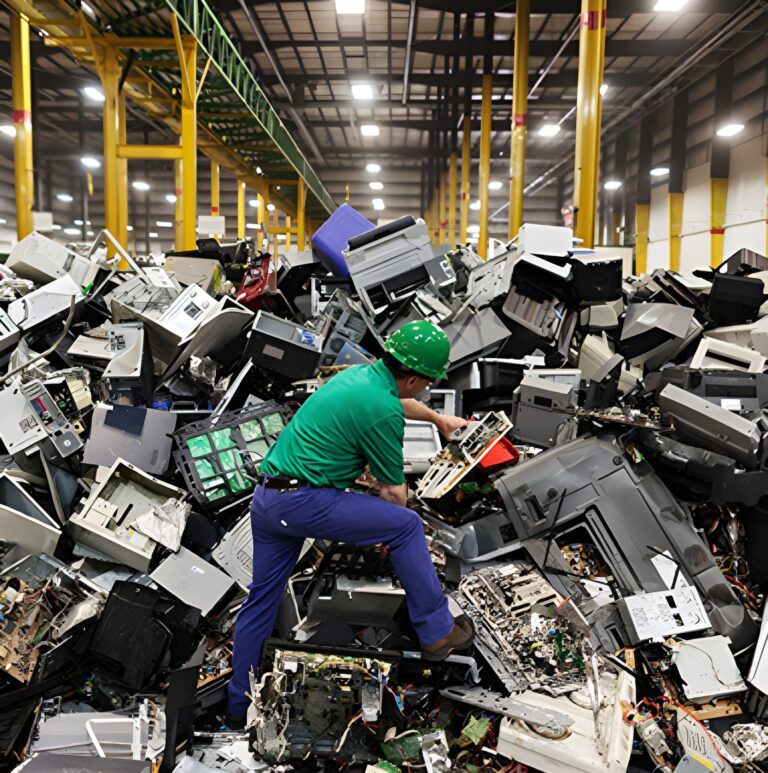
Organizations invest heavily in cybersecurity tools to protect active systems, yet many overlook a critical vulnerability: retired hardware. Servers, laptops, storage drives, and networking equipment often store sensitive information long after they are removed from production environments. This is where IT Asset Disposition (ITAD) becomes essential. According to the Global E-Waste Monitor, the world generated more than 62 million metric tons of electronic waste in 2022, and a significant portion of that equipment still contained recoverable data when discarded or resold.
Regulatory frameworks governing data protection increasingly require organizations to manage data securely throughout its entire lifecycle, including when hardware is decommissioned. IT Asset Disposition (ITAD) helps organizations address this requirement by ensuring that sensitive data stored on retired devices is securely destroyed or sanitized before equipment leaves organizational control. Without proper ITAD processes, businesses risk compliance violations, financial penalties, and reputational damage.
Understanding Compliance Risks in Retired IT Hardware
Many organizations assume that once equipment is powered off or removed from the network, the risk disappears. In reality, storage devices such as hard drives, SSDs, and backup media may still contain sensitive information including customer records, financial data, internal communications, and proprietary software.
Data protection regulations require companies to maintain control over personal and sensitive data even after it is no longer actively used. Failure to properly dispose of devices containing sensitive information can result in regulatory investigations and costly legal consequences. Implementing a structured IT Asset Disposition (ITAD) process ensures that hardware retirement does not create a security gap within the organization’s compliance framework.
Effective IT Asset Disposition (ITAD) practices allow organizations to demonstrate that all retired equipment has been properly processed, documented, and securely handled according to recognized data destruction standards.
Key Compliance Requirements Addressed by ITAD
Data protection frameworks typically require organizations to safeguard sensitive information, control access to data, and ensure secure disposal of devices that store that data. A structured IT Asset Disposition (ITAD) program helps organizations meet these obligations while maintaining clear audit trails.
Several compliance objectives are supported by ITAD processes:
Secure data destruction
Storage devices must be sanitized or physically destroyed to prevent data recovery after equipment retirement.Asset tracking and chain of custody
Organizations must maintain clear records showing where equipment is located and how it is handled during the disposal process.Audit documentation
Certificates of destruction and asset reports help demonstrate regulatory compliance during security audits.Environmental compliance
Proper recycling procedures ensure electronic waste is handled according to environmental regulations.
By incorporating these elements into IT Asset Disposition (ITAD) programs, organizations create a verifiable process that aligns with regulatory expectations for data protection and responsible technology management.
The Role of Data Destruction in Regulatory Compliance
One of the most critical components of IT Asset Disposition (ITAD) is secure data destruction. Even a single improperly disposed drive can expose confidential data and trigger compliance investigations. Data stored on enterprise hardware often includes customer identifiers, financial records, health information, or proprietary intellectual property.
Certified data destruction methods are designed to ensure that information cannot be recovered. These methods may include software-based data wiping that overwrites storage sectors or physical destruction processes that render storage media permanently unusable.
Organizations implementing IT Asset Disposition (ITAD) policies often rely on standardized data sanitization practices recognized by security frameworks and industry guidelines. These standards provide assurance that data removal procedures meet the expectations of regulators and auditors.
Proper documentation of data destruction activities is equally important. Detailed reports, asset tracking logs, and destruction certificates create an audit trail that confirms sensitive data was handled appropriately during the disposal process.
Managing the Entire Asset Lifecycle for Compliance
Compliance is not achieved through isolated actions but through consistent processes across the entire lifecycle of IT assets. IT Asset Disposition (ITAD) plays a key role in the final stage of asset lifecycle management, ensuring that equipment leaving service does not introduce new security or compliance risks.
Organizations that implement structured IT lifecycle management maintain accurate inventories of all hardware assets from procurement through retirement. This visibility makes it easier to identify which devices store sensitive data and require secure processing during decommissioning.
A comprehensive IT Asset Disposition (ITAD) strategy ensures that retired equipment is properly identified, transported securely, processed through certified data destruction procedures, and either refurbished or responsibly recycled. Each step contributes to maintaining regulatory compliance while protecting sensitive information.
Building a Compliance-Focused ITAD Strategy
For many organizations, regulatory compliance is one of the primary reasons for implementing structured IT Asset Disposition (ITAD) programs. A strong ITAD strategy includes clear internal policies, asset tracking systems, and partnerships with providers that specialize in secure data destruction and responsible electronics recycling.
Companies that prioritize IT Asset Disposition (ITAD) gain several operational advantages. They reduce the risk of data exposure, simplify regulatory audits, and ensure that all retired equipment is handled according to recognized security and environmental standards. These practices also support broader governance and risk management objectives within the organization.
Technology infrastructure constantly evolves as organizations upgrade systems and adopt new platforms. Each refresh cycle generates retired equipment that must be handled responsibly. By integrating IT Asset Disposition (ITAD) into their compliance and security strategies, businesses ensure that sensitive data remains protected even after hardware leaves the data center, maintaining trust with customers, partners, and regulators.