Why the Reliability Debate Around Refurbished Hardware Exists
Data centers are designed to operate continuously, often supporting mission-critical applications, financial transactions, and enterprise services. Because of this, organizations tend to be cautious when considering Refurbished Data Center Components. Many IT decision-makers assume refurbished hardware is unreliable or prone to failure. However, the reality is often very different. Industry reports indicate that refurbished enterprise hardware can cost 40–70% less than new equipment, while still meeting the operational standards required for most enterprise workloads.
The increasing adoption of Refurbished Data Center Components is driven by cost control, supply chain flexibility, and sustainability goals. Global demand for data center infrastructure continues to grow, with IDC estimating that enterprise infrastructure spending exceeds $100 billion annually. In this environment, many organizations are discovering that refurbished servers, storage units, and networking devices can deliver dependable performance when sourced from reputable providers.
Understanding What Refurbished Data Center Components Actually Are
One of the biggest misconceptions about Refurbished Data Center Components is that they are simply used devices resold without inspection. In reality, refurbishment involves a structured process designed to restore hardware to reliable operating condition.
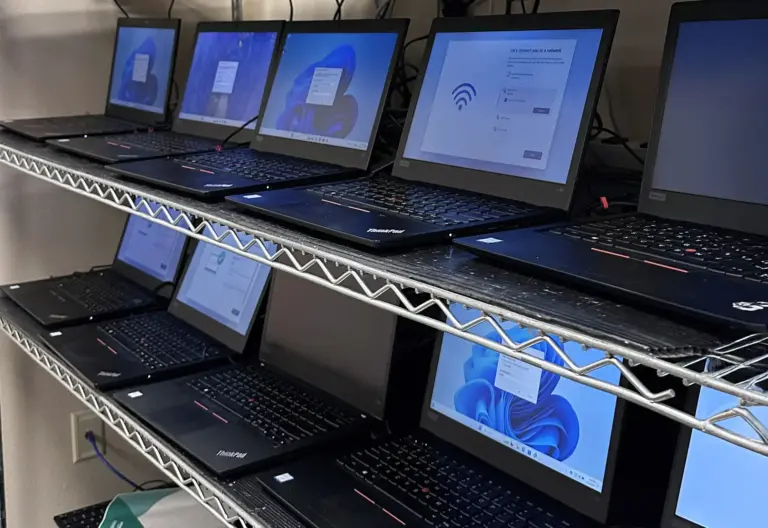
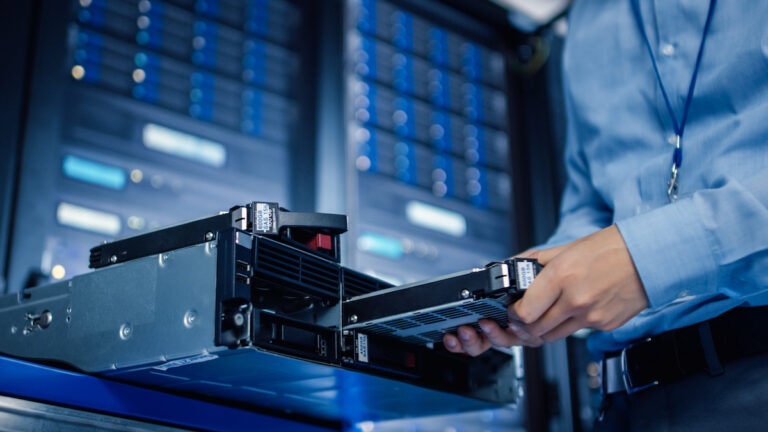
During refurbishment, components such as servers, storage arrays, memory modules, and networking devices undergo detailed testing and quality assurance procedures. Faulty parts are replaced, firmware is updated, and systems are tested under operational loads before being approved for resale.
Properly refurbished Refurbished Data Center Components are therefore not random used equipment but professionally tested and validated systems. Many organizations find that these components perform consistently within enterprise environments where workloads are stable and infrastructure requirements are predictable.
Common Myths About Refurbished Data Center Components
Despite growing adoption, several misconceptions continue to influence how organizations perceive Refurbished Data Center Components. Addressing these myths helps organizations make more informed infrastructure decisions.
Myth: Refurbished hardware fails more often
Enterprise-grade data center equipment is built to operate for long lifespans. Many components remain reliable even after several years of use.Myth: Refurbished equipment lacks performance
For many workloads, performance depends more on configuration than hardware age. Refurbished systems can support virtualization, storage workloads, and application hosting effectively.Myth: Refurbished hardware is outdated
Many organizations retire equipment during refresh cycles even when the hardware remains fully functional.Myth: There is no quality control
Certified refurbishers perform testing, repairs, and validation before selling Refurbished Data Center Components, ensuring operational reliability.
Understanding these realities allows IT teams to evaluate refurbished infrastructure based on actual performance metrics rather than assumptions.
Why Enterprises Are Increasingly Adopting Refurbished Infrastructure
Organizations are facing rising infrastructure costs as data volumes grow and digital services expand. Many companies are now incorporating Refurbished Data Center Components into their infrastructure strategies to control spending while maintaining operational reliability.
Refurbished components allow companies to expand capacity without committing to large capital investments. For example, adding storage nodes or backup servers using refurbished hardware can significantly reduce project costs. This flexibility is particularly valuable for organizations managing hybrid cloud environments or testing new infrastructure deployments.
Another factor driving adoption is supply chain reliability. In recent years, new hardware procurement has sometimes faced delays due to global component shortages. Refurbished Data Center Components often remain available in secondary markets, allowing organizations to maintain infrastructure continuity without waiting for manufacturing lead times.
Environmental and Sustainability Benefits
Beyond cost and availability, Refurbished Data Center Components contribute to sustainability goals by extending the lifespan of enterprise hardware. Electronic waste is one of the fastest-growing waste streams globally, with the United Nations estimating over 60 million metric tons of e-waste generated each year.
Manufacturing new data center hardware requires energy-intensive processes, including mining raw materials, component fabrication, and global transportation. By reusing and refurbishing existing equipment, organizations reduce the environmental footprint associated with technology infrastructure.
Adopting Refurbished Data Center Components supports a circular technology economy where equipment is reused rather than discarded prematurely. This approach aligns with corporate sustainability initiatives and environmental responsibility commitments increasingly adopted by enterprises.
When Refurbished Data Center Components Make Strategic Sense
While not every environment requires refurbished infrastructure, many organizations find it to be a practical solution for specific use cases. Refurbished Data Center Components are commonly used in secondary data centers, backup infrastructure, development environments, and capacity expansions.
In these scenarios, the performance requirements are well understood and the cost savings can be substantial. Organizations can allocate budget resources more efficiently by investing in refurbished hardware where appropriate while reserving new equipment for high-performance workloads.
The reliability concerns surrounding refurbished infrastructure often stem from outdated assumptions rather than current industry practices. When sourced from trusted providers that follow rigorous testing standards, Refurbished Data Center Components can deliver stable performance, significant cost savings, and measurable environmental benefits.
For many organizations, incorporating Refurbished Data Center Components into infrastructure planning is not simply about reducing costs. It is about building flexible, scalable, and sustainable data center environments that support long-term technology growth without unnecessary financial or environmental impact.