Customer
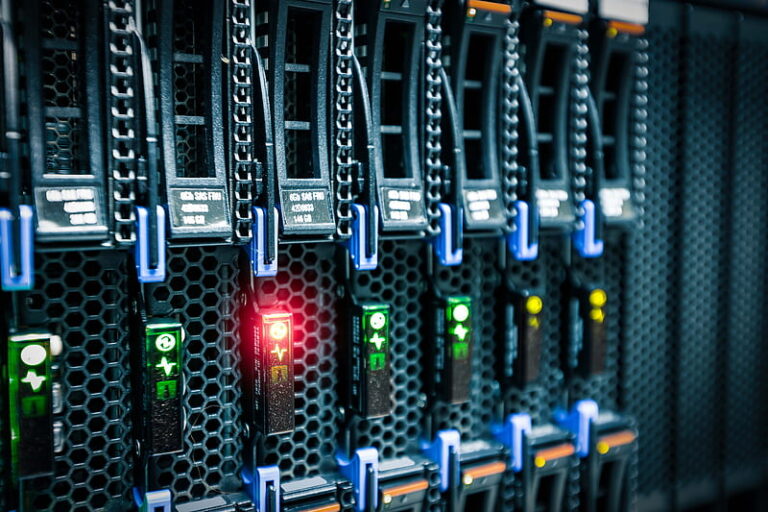
A regional colocation data center located in the northeastern United States supports approximately 70 enterprise customers, including SaaS companies, healthcare providers, and fintech startups. The facility operates two data halls totaling 22,000 square feet of data center space and manages more than 1,500 active servers across client workloads.
During a major infrastructure refresh, the operator decided to retire a large set of aging hardware that had accumulated over nearly eight years of operations. The retired infrastructure included 185 rack servers, 42 storage arrays, 63 network switches, and 312 enterprise hard drives that still contained historical customer data.
The organization required a secure and efficient way to handle this outdated infrastructure while maintaining strict data protection commitments to its enterprise clients.
Challenge
The operator faced three immediate challenges.
First, all storage devices had to be processed through secure data destruction procedures. Many of the retired systems contained historical application logs, backup images, and client data fragments. Even though the servers were no longer active, the storage media still posed a potential security risk.
Second, the equipment occupied more than 18 equipment racks in staging areas, reducing the available space for new infrastructure that was scheduled to be installed within the next two months.
Third, the company needed verifiable documentation confirming that every storage device had been processed securely. Several of their enterprise customers required proof of secure disposal as part of annual vendor risk assessments.
Without a structured IT asset disposition process, the company risked delays in infrastructure expansion and potential compliance issues with its customers.
What Did We Do
Ampletech Refresh deployed a structured IT asset disposition program designed for data center environments.
The project began with a full inventory of all hardware scheduled for retirement. Each server, storage unit, and networking device was logged with its serial number and configuration details to maintain asset traceability throughout the process.
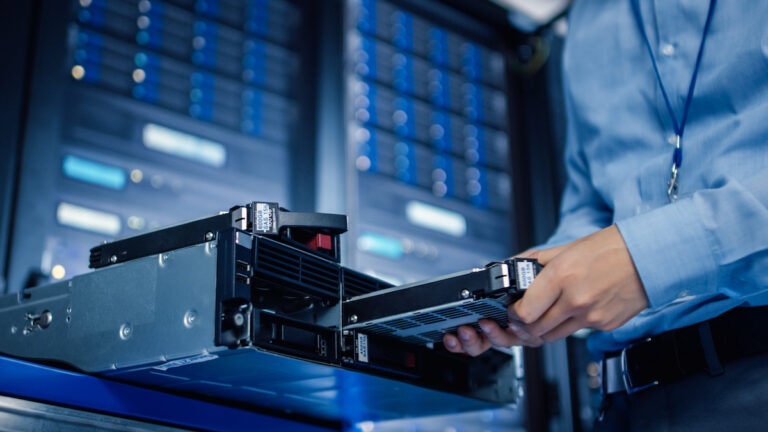
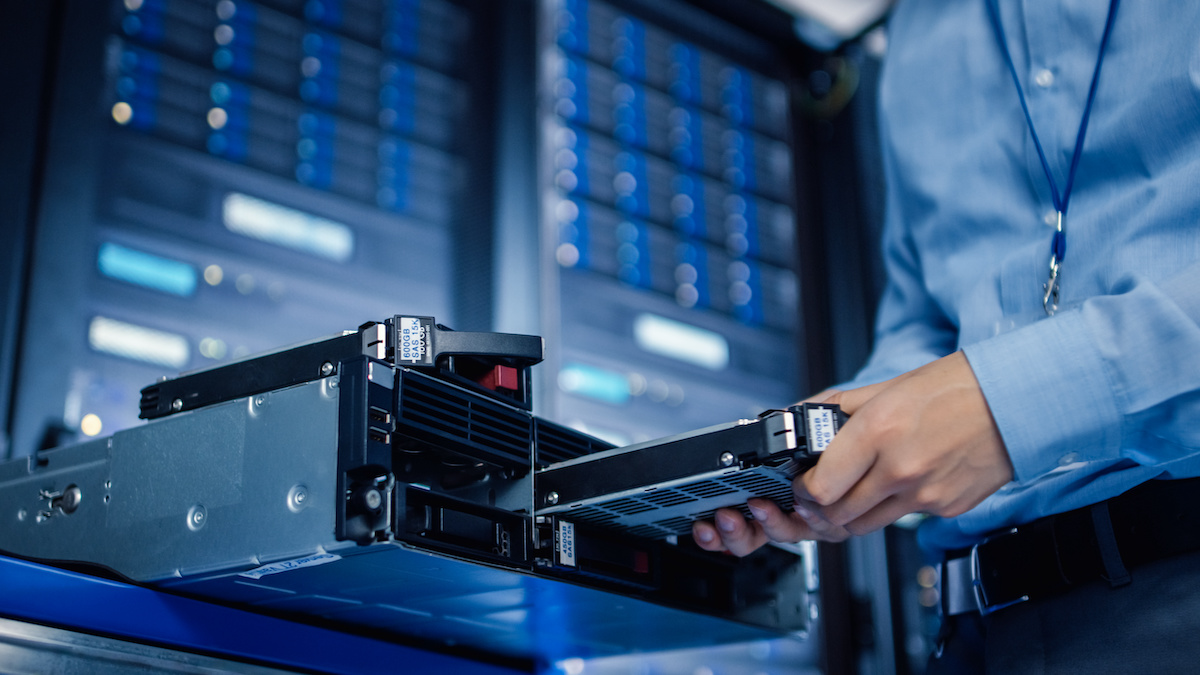
Storage media were then removed from the devices and categorized based on condition. Out of the 312 enterprise hard drives, 247 drives were eligible for certified data wiping, while 65 drives were physically destroyed due to hardware degradation or encryption inconsistencies.
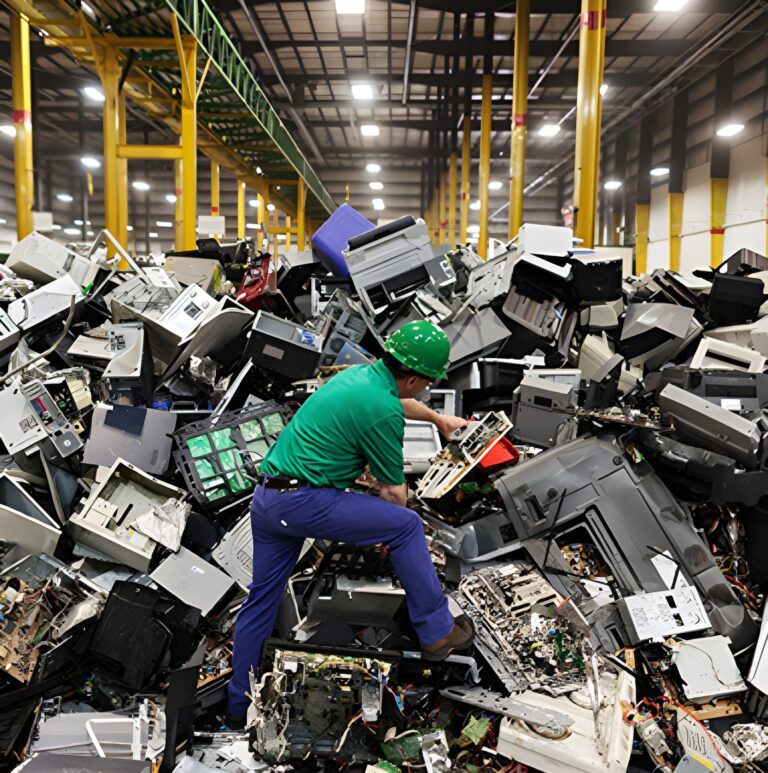
Servers and networking equipment were evaluated for refurbishment potential. 126 servers and 39 network switches were successfully tested and prepared for secondary market resale. Equipment that could not be reused was dismantled and processed through certified electronics recycling channels.
Throughout the project, chain-of-custody documentation was maintained, and detailed reports were generated for each asset processed.
Result
Within three weeks, the data center successfully cleared all retired equipment from the staging area.
All 312 hard drives were processed through secure data destruction procedures, eliminating any risk of residual customer data exposure. The company received comprehensive asset processing reports along with certificates confirming data sanitization and destruction.
The refurbishment of usable hardware generated approximately $118,000 in value recovery, helping offset a portion of the infrastructure upgrade costs.
Most importantly, the removal of outdated equipment freed up 18 racks of valuable floor space, allowing the data center operator to deploy new high-density servers and expand its colocation capacity.
Summary
A regional data center needed to securely retire 185 servers, 42 storage arrays, and more than 300 storage drives during a major infrastructure upgrade. Ampletech Refresh implemented a structured IT asset disposition process that ensured secure data destruction, asset tracking, and responsible recycling. The project eliminated security risks, generated value recovery through refurbishment, and enabled the operator to deploy new infrastructure without delays.